Research

We aim to address a fundamental challenge: solving diverse data fusion problems in an era where traditional sensors are gradually being replaced by intelligent computers and robotics. As computing advances, these intelligent agents introduce new complexities in data fusion. Our mission to investigate all research issues that arise in this context, including:

  • Security
  • Reliability
  • Privacy
  • Multi-party computation
  • And other critical aspects of collaborative intelligence

By tackling these foundational problems, we strive to enable robust, secure, and efficient fusion across distributed intelligent systems.

The Computer Fusion Laboratory (CFL) is part of Temple University’s Electrical and Computer Engineering Department under the leadership of Dr. Li Bai. The CFL pursues research in various areas of engineering including autonomous vehicle driving, distributed sensing and computing, multi-agent systems, wireless sensor networks, augmented reality and more. The think tank style laboratory explores what makes our world tick.


Research Projects

SYNC-Smart: Your Next Companion For Parkinson's Disease

2024-Present

Healthcare AI/ML Robotics
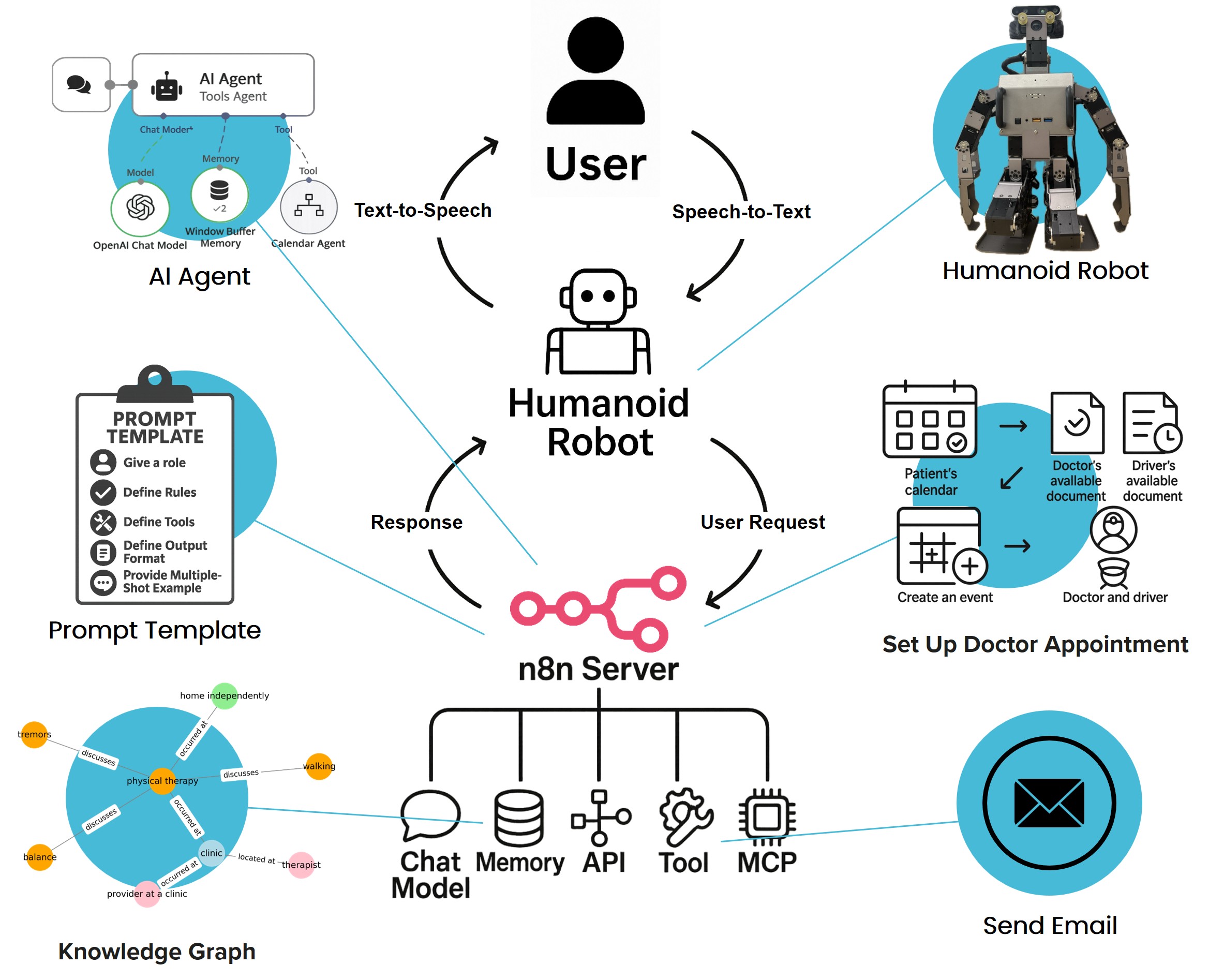
This project addresses the growing need for supportive technologies as the aging population continues to expand, with older adults striving to maintain independence while relying on caregivers for essential daily assistance. Access to professional care, such as services provided by social workers, is often constrained by workforce shortages, financial limitations, and restricted hours of support. To address these challenges, this work presents an intelligent robotic companion powered by agentic large language models (LLMs) that assists with routine activities, manages medical appointments, and provides medication reminders, enabling social workers to focus on higher-priority needs. The system is designed around the core principles of interpretability, reproducibility, and trustworthiness, achieved through the integration of the n8n framework for transparent orchestration and monitoring of AI-driven functions. By supporting consistent evaluation and adaptability across diverse LLM architectures, the proposed system builds confidence among both users and caregivers. This scalable and reliable solution enhances safety and autonomy for older adults and offers a practical model for home-based healthcare support.

Team Members

  • Li Bai - Principal Investigator
  • YingTing Wu - Graduate Student
  • Sarker Mohammad - Graduate Student
  • Kyle McGinley - Undergraduate Student

Assessment of Cyber-threats and Vulnerabilities & Design of Mitigation Strategies​ for AI enabled agents in battlefield

2022-2025

Security AI/ML Distributed Systems Cryptography
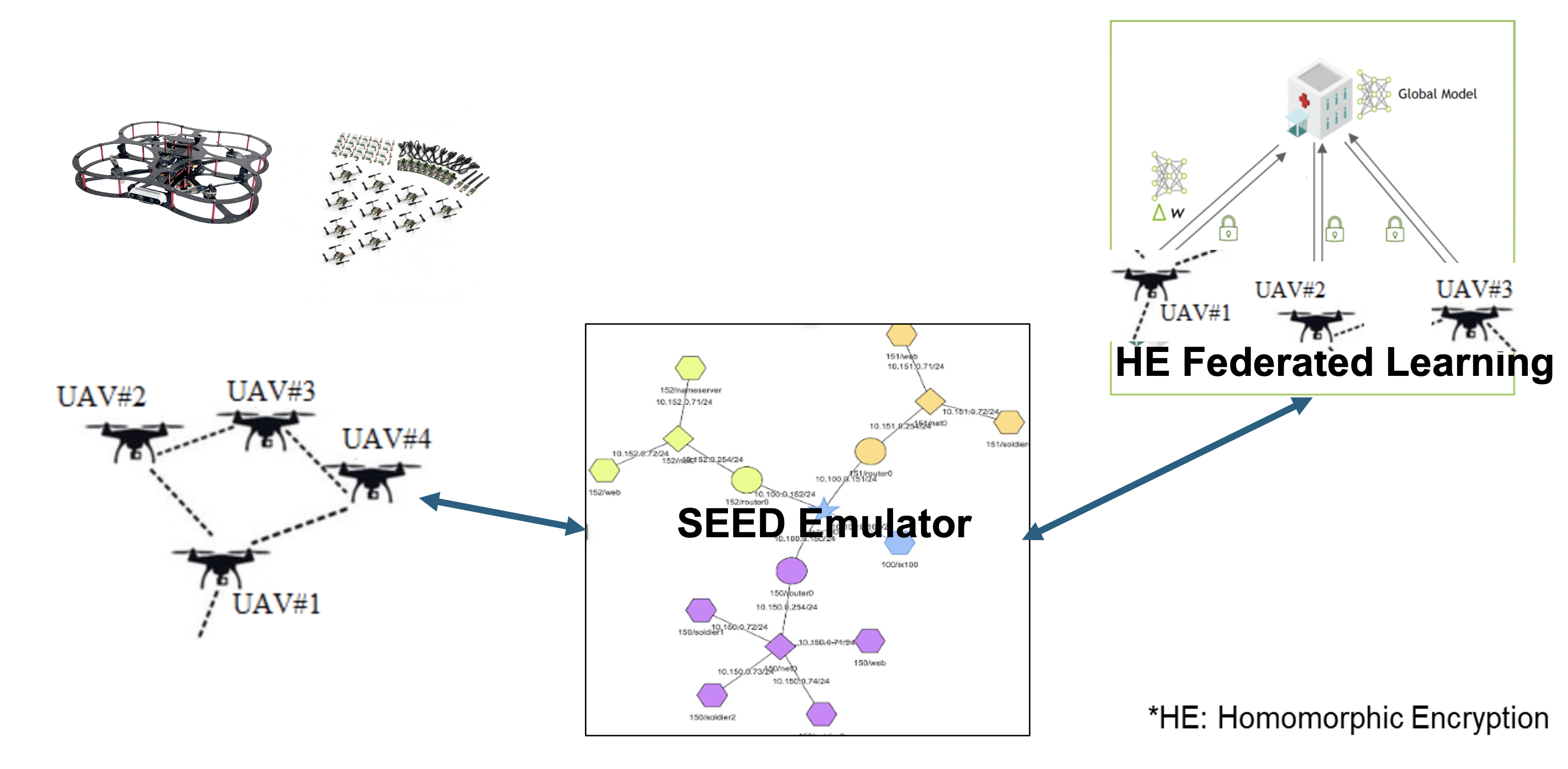
This project focused on assessing cyber threats and systemic vulnerabilities in distributed AI systems deployed in battlefield environments, with an emphasis on designing robust mitigation strategies for secure multi-agent intelligence. Conducted at the Computer Fusion Lab at Temple University under the supervision of Dr. Li Bai and funded by the DEVCOM Analysis Center of the U.S. Army Research Laboratory, the work involved the development of a realistic battlefield simulation testbed using the SEED network emulator to model adversarial communication conditions. A secure Python-based API was designed to support dynamic group key generation using Tree-based Group Diffie–Hellman (TGDH), enabling resilient and scalable key management among collaborating agents. Building on this foundation, the project introduced a novel homomorphic encrypted federated learning framework that allows secure model aggregation without exposing local client models, thereby preserving data confidentiality under adversarial settings. The framework further integrated CKKS-based homomorphic inference capabilities within the SEED environment, enabling encrypted model evaluation and decision-making in distributed, bandwidth-constrained, and threat-prone operational scenarios.

Team Members

  • Li Bai - Principal Investigator
  • Anway Bose - Graduate Student
  • Sarker Mohammad - Graduate Student
  • John L. Nori - Undergraduate Student

Remote Obstetrics Monitoring Systems

2015-2019

Healthcare IoT Wireless Networks
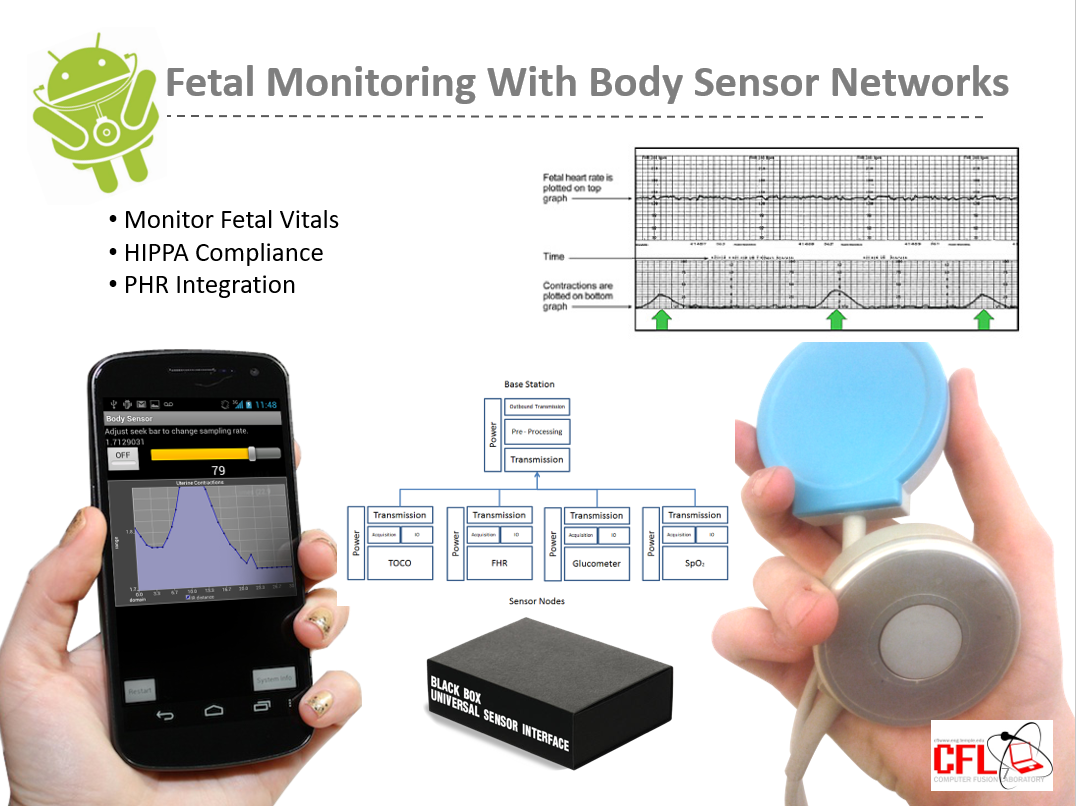
Wireless fetal monitoring will keep mothers, doctors and babies safer.

During a mother’s pregnancy, the physiology and activity of the baby should be frequently monitored to ensure fetal health. But the monitoring comes with an issue that the mother should frequently go to the hospital and suffer from the long monitoring procedure without moving away from bed.

To resolve such a problem, the Wireless Fetal Monitoring (WFM) / Fetal Monitoring Network (FMN) system is proposed. The FMN system takes the concept of Body Sensor Network, which allows sensors be portably attached on human body and transmit data wirelessly to a local sensor processing unit which can be called a base station. Base stations will then relay the data collected to a remote centralized server for further analysis and medical reference.

Team Members

  • Li Bai - Principal Investigator
  • Michael Korostelev - PhD Student

Survey and Measurement using Avatar and Robotic Technology (SMART)

2016-2018

Healthcare Robotics Data Analytics
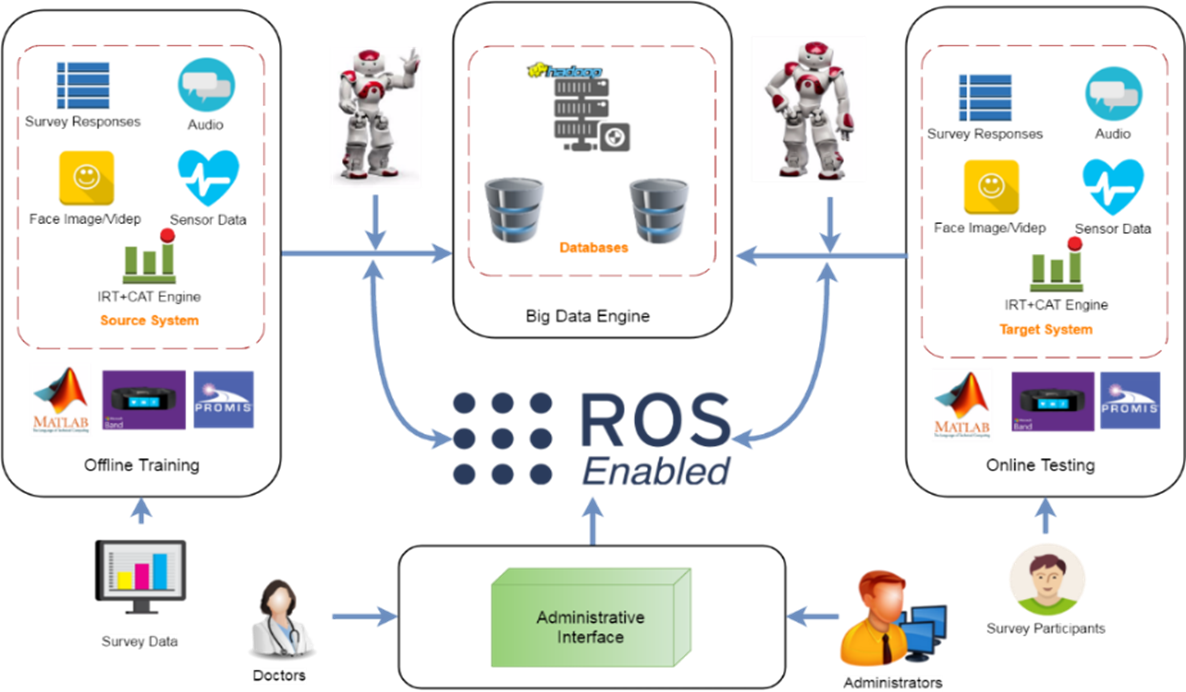
Recent advances in interactive technologies, such as humanoid robotic systems and computer avatars have emerged within healthcare and education settings. Interactive technologies have seen widespread use as teaching technology platforms, for the administration of patient-reported outcomes (PROs), as well as training, care and opportunities for social interaction. Physiological sensor data from examinees will be meshed with the real-time video and environmental data from the home assistant hub and cross referenced with the testing database to adaptively administer PROs. In this project, a remote web-based user interface will be provided to communicate with a humanoid robot with respect to the same PROs. Overall, our approach has broader impacts comparing to advance PRO research, because many populations often left out of survey research. Individuals that lack the social, behavioral, or cognitive skills to respond with traditional technologies are often underrepresented in survey research. These groups include but are not limited to individuals with low reading ability due to age, seniors with dementia or Alzheimer's, and patients with traumatic brain injury. The overall objective of our project is to create and support a scalable data platform and data science based analytics that support PRO assessment in order to improve robotic survey methodology.

Team Members

  • Li Bai - Principal Investigator
  • Yiran Li - PhD Student
  • Ning Gong - PhD Student

SEPTA Electronic Payment Project

2005-2008

Software Mobile Computing Security
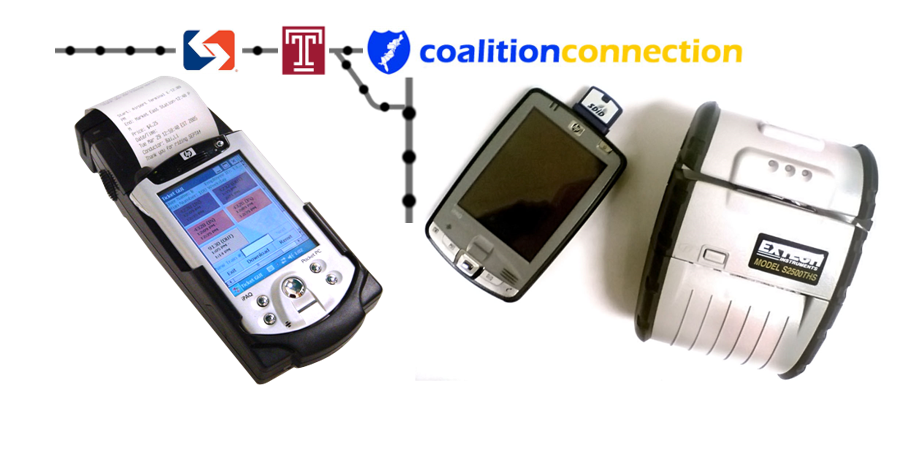
The objective of this project is to develop a prototype system by using a front end read only approach incorporated with non-proprietary commercial-off-the-shelf (COTS) components. The idea is to use the mobile phone as a communication device and as well as to validate ticket information on the smartcard through a backend sever using the short text message sent by mobile phones. It provides us with physical measurements of time delays and possible bottle necks of the operations. Also, the system can provide coalition members with a generic approach for a read only process system and determine what the feasibly practical onboard ticket sale processes are accordingly.

Team Members

  • Li Bai - Principal Investigator